

In the vast and competitive digital universe, where every detail matters to stand out, the impact of images on organic search is often pushed into the background.
Many websites and blogs focus on the technical aspects of image SEO, such as alt attributes, compression, image dimensions, and even file names.
These criteria are certainly essential to optimize page load times and accessibility, but it’s time to shine a spotlight on a crucial yet often overlooked aspect: the subjective effect of image quality on SEO.
The MACCUS SEO agency, through our in-house content site marcwiner.com, which attracts more than 700,000 visitors per month, is a striking example of the importance of this aspect.
By running ongoing experiments on the site, we have demonstrated the significant impact of high-quality images not only on beautifying a page, but also on increasing the click-through rate. At the time of writing this article, we are in fact in the middle of a reshoot campaign for high-potential content.
Indirect SEO: beyond the technical aspect
A captivating and relevant image can grab a visitor’s attention, pushing them not only to click on the content but also to interact with it more. This increased interaction is a quality indicator for search engines like Google, which see it as proof of the relevance and interest of the content offered.
In other words, a quality image doesn’t just make your page more attractive; it increases its value in the eyes of search algorithms through a whole series of indirect factors.
The case of the beef loc lac recipe
Let’s take the example of a recipe that has been on marcwiner.com for a long time. By replacing an old photo with a new one, more appealing and inviting, we observed a double benefit.
On the one hand, the click-through rate on this page immediately increased significantly, thanks to the image’s stronger visual appeal.
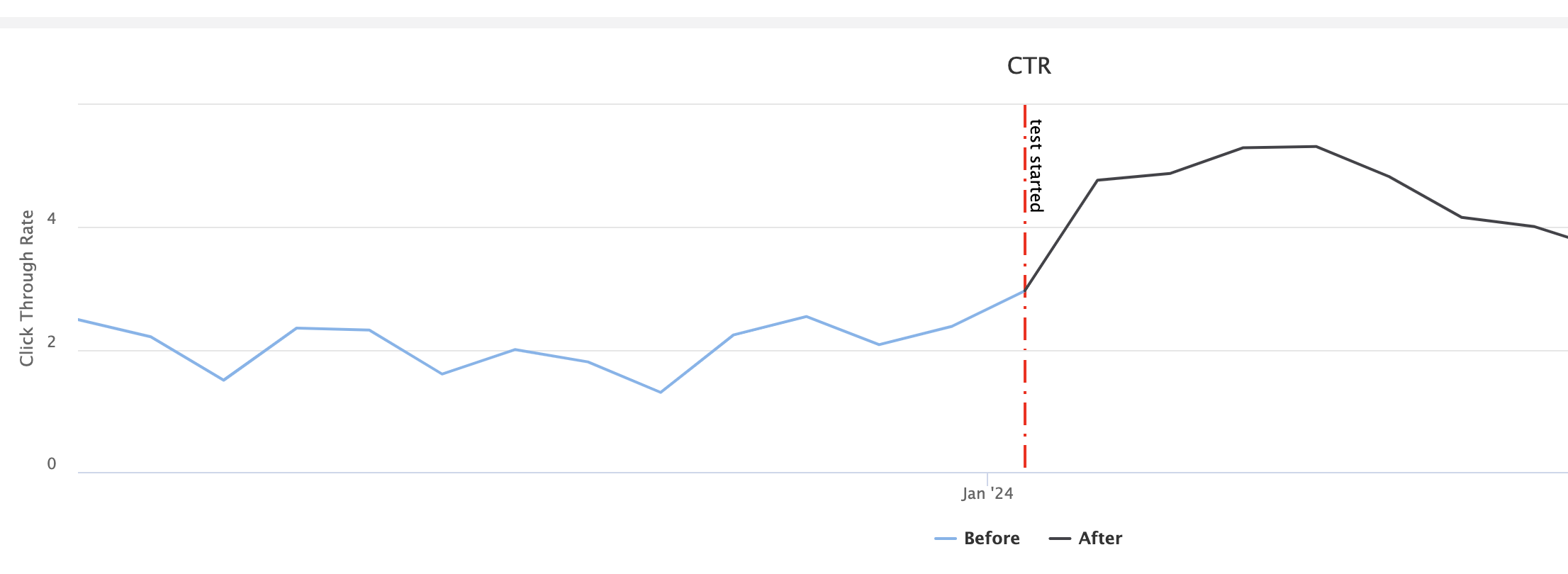
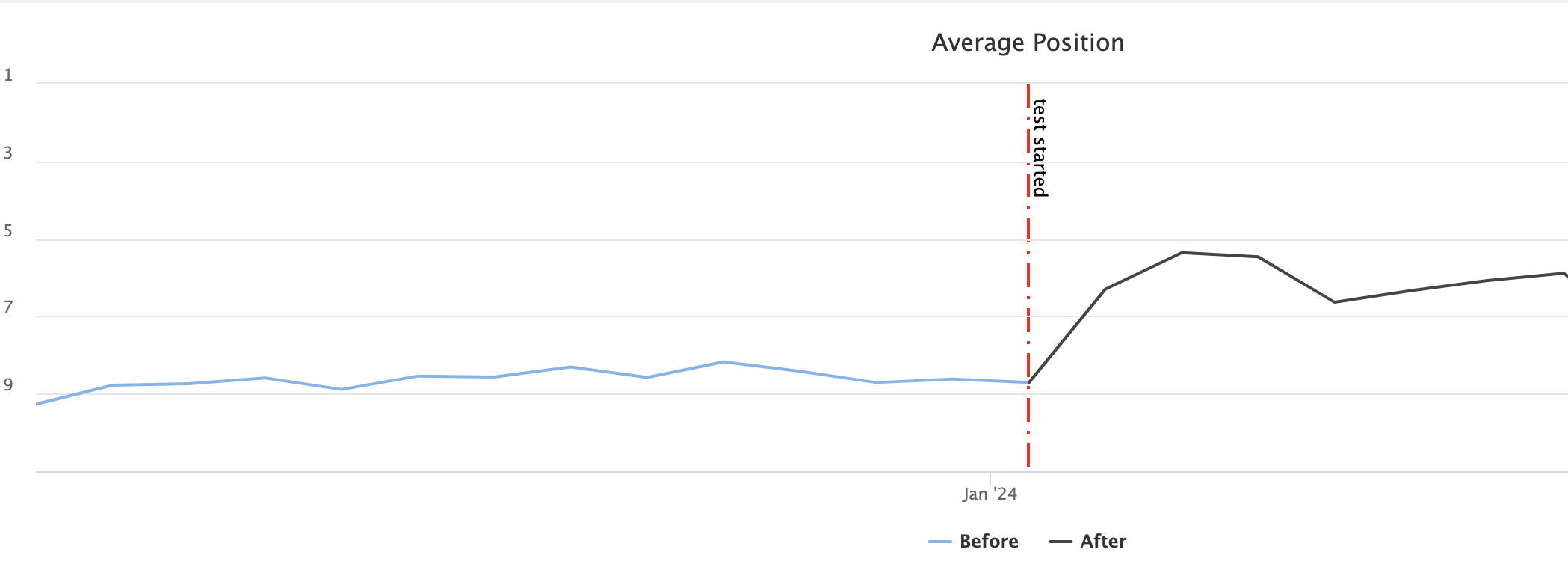
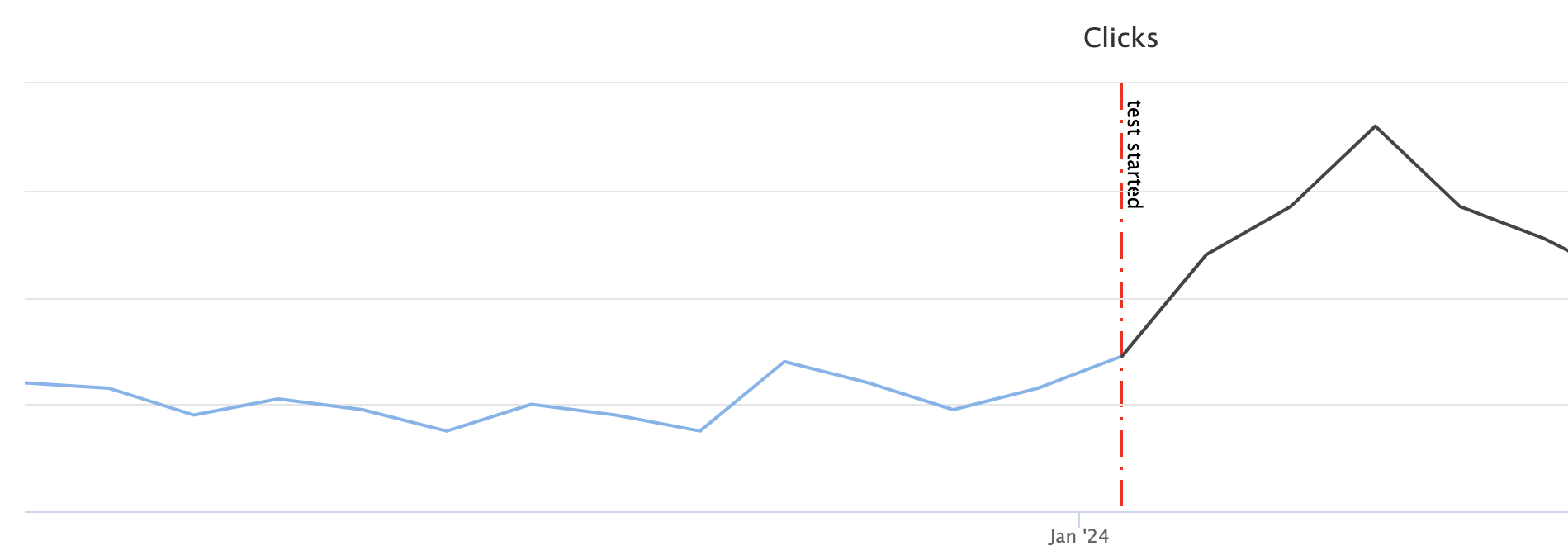
On the other hand, this increase in click-through rate, coupled with a potential rise in time spent on the page, signaled to Google’s algorithm that the content had become more relevant and interesting to users. As a result, the page’s ranking in search results improved, attracting even more visitors and thus creating a virtuous circle of engagement and increased visibility.
Conclusions
This example highlights how, without even diving into the technical complexities of SEO, the strategic choice of a quality image can have a considerable impact on a web page’s performance. It underscores the importance of not neglecting the subjective aspects of your content, such as image selection.
Another takeaway is that any way of increasing CTR, such as sparking interest via your social networks or other channels, can affect your organic positions.
Not only that, but you will have noticed that, contrary to what we discuss in our article on the SEO time horizon, the changes were almost immediate. Why? On the one hand, since marcwiner.com is visited by more than 20,000 people per day, it is regularly crawled by Google’s bots; on the other hand, the recipe URL was old. That means the changes were taken into account very quickly.
The conclusion is that if you have a website with many pages featuring questionable-quality images—whether it’s a food blog or an e-commerce site—you would have a lot to gain by looking into opportunities of this kind. The impact can be both significant and lasting.
Interested in our services? Contact us!