
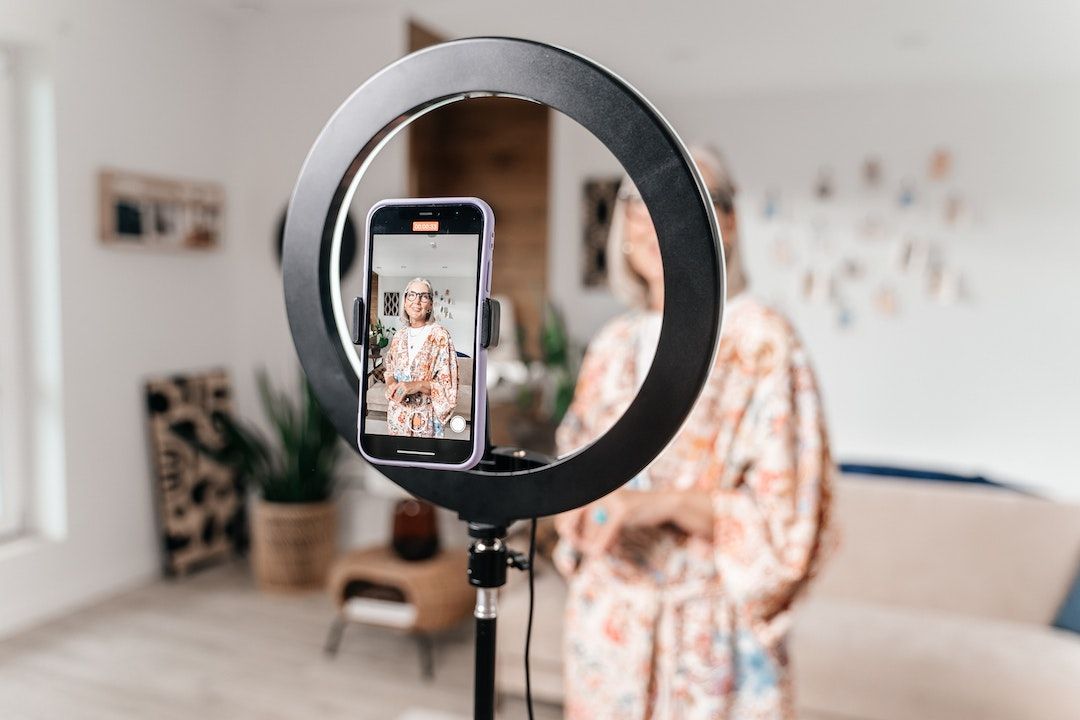
Filming, editing, publishing: it’s within everyone’s reach. Your time, your budget, and your creative energy, however, are finite. A bad “HQ” has you chasing low-profit trends and delays the growth of both your audience and your income.
The right platform aligns with your natural way of creating, the speed at which you want to scale, and when you plan to monetize. Find it and every piece of content will truly work for you; miss it and you’ll just go in circles.
Quick platform overview
• YouTube rewards depth and evergreen research.
• TikTok delivers lightning-fast reach.
• Instagram blends aesthetics and personality.
• YouTube Shorts combines TikTok’s virality with YouTube’s subscription power.
• Podcasts build the most loyal communities, but they’re the slowest to bloom.
Your best choice depends on whether you need fast visibility, long-term authority, visual impact, or intimate storytelling.
Summary table of key indicators
| Platform | Users | Core formats | Growth | Native monetization |
|---|---|---|---|---|
| YouTube | ≥ 2B | 8–15 min | Steady and durable | High CPM* |
| TikTok | ≈ 1.6B | 15–60 s | Explosive spikes | Low to medium RPM* |
| ≈ 1.5B | Photos + Reels ≤ 90 s | Moderate via Reels | Brand partnerships | |
| YouTube Shorts | ≈ 70B views/day | ≤ 60 s | Fast subscribers | Revenue sharing |
| Podcasts | ≈ 584M listeners (2025) | 20–40 min | Slow but predictable | Sponsorships & subscriptions |
* CPM: cost per 1,000 ad impressions. RPM: revenue per 1,000 views.
In-depth comparison: 6 success factors
1. Algorithm and discoverability
TikTok and YouTube Shorts show your videos to strangers first; a brand-new account can pass 100k views in a few days if completion rate is strong.
Long-form YouTube relies on search and personalization: as soon as your watch time climbs, discovery takes off. The Instagram feed still favors your followers, but Reels inject reach closer to TikTok. Podcasts rely on search, category charts, and cross-promotion: slow growth, but stable.
2. Formats and production requirements
YouTube expects HD, a clear narrative arc, and a click-worthy thumbnail: plan for 8 to 12 hours of work. TikTok and Shorts can blow up with a vertical smartphone clip and a punchy hook; an hour can be enough.
Instagram demands both: polished photos for the feed, fast-paced Reels for discovery, and raw Stories for closeness. Podcasts mainly require clean audio: plan on a dynamic USB mic, a quiet room, and editing equal to two or three times the recording length.
3. Growth potential and conversion
TikTok delivers the fastest subscriber spikes, but the weakest loyalty; many viewers never click “Follow.”
YouTube converts better—about 22 subscribers per 10k views in long format, 17 for Shorts—and builds a solid base. Instagram sits in the middle: a viral Reel can add thousands of followers in 24 hours, who will then regularly see your Stories.
Podcast audiences grow by tens, not thousands, but retention is record-high: 80% listen to most of each episode.
4. Monetization and eligibility thresholds
YouTube Partner Program : ads from 1,000 subscribers and 4,000 watch hours or 10M Shorts views in 90 days.
Expanded YPP : 500 subscribers, 3 public videos and
• 3,000 watch hours (12 months) or
• 3M Shorts views (90 days) – access to donations and fan subscriptions, but not ad revenue sharing yet.
TikTok Creativity Program : 10k followers and 100k views (30 days). RPM around $0.02–$0.12 per 1,000 views.
Instagram : Gifts from 500 followers. Subscriptions are open to all eligible Creator/Business accounts. Brand partnerships often start at 3–5k followers – see our influencer marketing section.
Podcasts : host-read ads from 1,000 downloads/episode via marketplaces; many first monetize via Patreon or affiliate marketing.
5. Engagement and community norms
On TikTok, comments are meme-y and fleeting; you win back attention with every upload. YouTube supports long discussions, fan theories, and Community Tab polls.
Instagram fragments engagement: likes on the feed, DMs on Stories, friend tags on Reels. Podcast interaction happens off-platform—emails, Discord, shout-outs—but the one-to-one intimacy makes your calls to action highly effective.
6. Culture and demographics
Gen Z sets the tone on TikTok: raw, ironic, fast. YouTube is age-agnostic, but demands consistent value—tutorials, analyses, serialized storytelling. Instagram skews 18–34 and still values an aesthetic feed, even as authenticity grows via Stories.
Podcasts attract the most educated and most affluent segment: they’ll give you 30 minutes if your episodes are dense and structured.
Effort / return matrix
• YouTube and podcasts: “high effort – high return.”
• TikTok and Shorts: “low effort – fast growth.”
• Instagram: a hybrid that rewards both polish and personality.
3-step decision framework: align your goal, your strengths, and your patience
1. Clarify the main goal
Instant visibility? Choose TikTok or Shorts.
Direct revenue? Prioritize YouTube (ad revenue share) or Instagram (brand ecosystem).
Thought leadership? Long-form YouTube or podcasts highlight depth and expertise.
2. Assess your strengths and resources
Comfortable on video? YouTube or IG Reels.
Comfortable with audio? Podcast.
Little time but lots of short ideas? TikTok and Shorts.
3. Choose using the effort / speed grid
Draw a 2×2 (production effort vs growth speed) and place each platform. Pick the quadrant that matches your bandwidth and your patience.
Recommendations by persona
- Tutorial trainer : publish on YouTube; repurpose clips into Shorts.
- Comedy host : post daily on TikTok; recycle to Shorts and Reels.
- Long-form thinker : launch a filmed podcast for YouTube.
- Lifestyle curator : focus on Instagram, then expand with Reels and Stories.
Multi-platform strategy: expand without burnout
Fast repurposing
• Turn a 10-minute YouTube tutorial into three Shorts, a TikTok, and an Instagram carousel.
• Cut 60-second podcast highlights into Reels.
• Film TikTok trends natively, export without watermark for Shorts and Reels.
• Produce in batch one day a week to stay sane.
Audience → revenue funnel
Reach (TikTok or Shorts) → depth (YouTube) → relationship (IG Stories) → premium loyalty (podcast + products/coaching). Full example in our case study.
30-day launch checklists
YouTube & YouTube Shorts
- Choose a 1080p smartphone, a lavalier mic, a basic ring light.
- Write a strong hook, shoot B-roll, edit to the rhythm, create a high-contrast thumbnail.
- Publish one long video/week + three Shorts from the same footage.
- Analyze retention; aim for 70% in the first 30 seconds.
TikTok
- Post 1–2 times per day; alternate trending sounds and original hooks.
- Remove every pause, add subtitles for muted autoplay.
- Reply to the best comments with stitches to feed the community.
- Aim for 75% completion (< 20s) and 5% likes/views.
- Define a three-color palette or a consistent Lightroom preset.
- Hook in 1.5 seconds, stay within 7–15 seconds for Reels, ban recycled watermarks.
- Post 5–7 Stories per day; use polls and question stickers.
- Mix five ultra-niche hashtags, three medium, and two broad.
Podcasts
- Set up a dynamic USB mic, pop filter, headphones, Audacity or Descript.
- Structure: teaser, 15s jingle, content, clear CTA, short outro.
- Distribute via Spotify for Podcasters to be everywhere at once.
- Launch three episodes on day 1, then one per week at a fixed time.
Next steps
Choosing a platform isn’t following the trend—it’s aligning the audience mechanics with your strengths, a key step to build your personal brand. Decide this week, block 90 days for testing, and measure without compromise.
Metrics to track
• Retention (average watch time, completion, 75% listen-through).
• Conversion (subscribers/10k views).
• Engagement (likes + comments ÷ views).
• Revenue (first $100 payout, first partnership, or 10 Patreon supporters).