
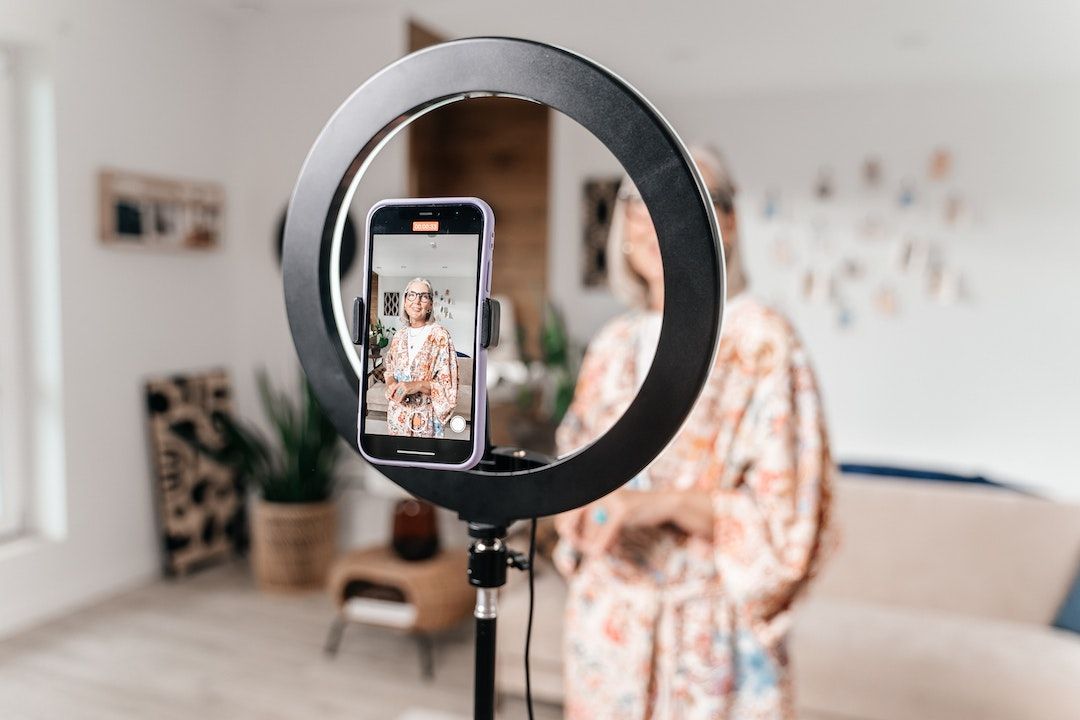
More than 200 million people now present themselves as content creators (Influencer Marketing Hub, 2024). Platforms add thousands of new channels every hour, and the news feed never sleeps.
Viewers decide in the blink of an eye. The second click almost never comes from a one-off post: it comes from the brand behind it. A clear name, sharp positioning, and consistent visuals provide the mental shortcut that separates memorable creators from the endless scroll.
This guide breaks down these three pillars and gives you quick exercises to build, step by step, a brand foundation that captures attention over the long term.
Snapshot of the creator economy
- YouTube paid creators, artists, and media more than $70 billion between 2020 and 2023 — nearly $18 billion per year (Google/YouTube Blog).
- TikTok has 1.56 billion monthly active users (April 2024). In the United States, the 25% most active users generate 98% of public videos (Pew Research Center).
Bottom line: standing out isn’t vanity; it’s a matter of economic survival. Understanding the different influencer tiers will already help you fine-tune your strategy.
What “brand” really means for a solo creator
A brand is the sum of expectations, memories, stories, and relationships that make a viewer want to choose you. It’s not just a logo or a catchy handle; it’s the promise you make — and keep — with every video, newsletter, or live.
Guide outline and how to use it
Each section ends with an exercise you can do right away. Follow the order for a full rebranding sprint or jump straight to the sticking point: name, positioning, or visuals.
Create a memorable brand name
Your name is the gateway to every algorithm and every conversation. Choose one that travels well today… and tomorrow.
Real name vs. pseudonym: decision matrix
Real nameBuilds authenticity and offers long-term flexibility, but provides little privacy and makes brand protection more complex.PseudonymCreates mystery, instantly signals the niche, and protects privacy. On the other hand, it can feel less human if it’s overly engineered.
Align your choice with audience expectations and your own comfort level with exposure vs. privacy. Even before choosing a name, take the time to define your niche precisely.
Six name families & creativity techniques (brainstorming)
- Founder – e.g., “Marie Forleo”; ideal for expertise niches.
- Descriptive – “Cooking With Lynja” immediately announces the content.
- Invented – “Veritasium” stands out strongly and remains easy to find.
- Metaphor – “Kurzgesagt” sparks curiosity and storytelling.
- Acronym – “MKBHD” is short, brandable, and often associated with tech.
- Combined – “Blogilates” clearly claims a theme.
Exercise: set a timer for 15 minutes and write down at least 25 ideas, spread across several families. No self-censorship during this phase!
Validation checklist
- Google, YouTube, or TikTok search to spot duplicates.
- Check trademarks and business registries.
- Availability of domain names and social handles.
- Pronunciation-spelling test: can a stranger write it correctly after hearing it just once?
Audience resonance test
Run an Instagram poll or a small-budget A/B ad with your two finalists. Watch click-through rate (CTR) and comment sentiment: your audience will spot unpronounceable… or bland names faster than you will.
Define clear positioning and a unique value proposition
If your name opens the door, your positioning explains why visitors should stay. Before writing that promise, take the time to map your audience and identify its key tensions.
The four elements of strong positioning
Target: A specific persona, never “everyone.”
Category: The arena you operate in.
Need: The tension or desire you resolve.
Promise: The outcome only you deliver.
Brand archetypes and values
Match your core values to an archetype to shape your tone.
Example: a Sage (Ali Abdaal) bets on clarity; a Jester (Ryan Trahan) on humor and surprise. The archetype influences the script, the music, and even how you reply to comments.
Positioning formula & worksheet
For [target audience], [brand] is the [category] that [unique benefit] because [proof or belief].
Example: “For self-taught developers, DevSnacks is the coding channel that turns complex concepts into five-minute visual videos, because learning should fit between two coffees.”
Exercise: write your sentence, print it, and stick it above your screen.
Differentiation audit
List your five closest competitors. Note their promise, tone, and visual codes. Spot the gaps: is no one talking to beginners? Does no one use humor? That “gap” will be your white space.
Design a consistent visual identity
Visuals turn an invisible strategy into instant recognition. They must be intentional, consistent, and scalable — from the favicon to the billboard.
Key components
Logo / wordmarkCompact version + horizontal version.Color paletteDominant color, accent, and neutral background.Typography systemA pair of fonts — headlines and body text.Imagery stylePhotos, illustrations, icons & recurring filters.Graphic motifsLines, pictograms, or textures that sign the brand.
Color psychology & palette creation
- “Finance” creators favor reassuring blues and greens.
- “Wellness” creators choose soothing pastels.
- High-energy entertainers go for intense reds and yellows.
Typography that amplifies your voice
Serif fonts suggest authority; rounded sans-serifs feel friendly. Pair a display font for headlines with a simple font for captions. Test on mobile first: nearly 70 % of U.S. video viewers watch on a smartphone (Statista, 2024).
Create a one-page style guide
Compile: hex codes, font names, logo usage rules, and “do / don’t” examples. A simple PDF will save you multiple back-and-forths when you delegate design or update your assets.
Thumbnail templates & cover images
Design a reusable grid: consistent framing of your face or product, bold text limited to three words, accent color on the border. Change the image, not the structure, to build familiarity in feeds.
Bring it all together: cross-platform consistency & rollout
A viewer should recognize you instantly, regardless of format or algorithm.
Platform-by-platform adaptation tips
- YouTube favors horizontal banners.
- TikTok demands vertical storytelling.
- Newsletters rely mostly on typography.
Adapt the format while keeping colors, logo placement, and editorial tone.
Launch checklist
- Update handles, profile photos, bios, banners, link-in-bio, and intro/outro jingles.
- Publish a trailer that presents the new look and invites feedback.
- Check compliance with the legal and ethical framework for influencers in France and Belgium.
Performance tracking & audience feedback
During the 30 days post-launch, monitor: thumbnail CTR, average watch time, subscriber growth, and qualitative comments. Iterate if a key metric drops by more than 10 %.
Mini real-world case studies
MrBeast: extreme stunts + philanthropic positioning
A distinctive name, comic-book-style visuals, and the promise of “the biggest generosity” create immediate intrigue and shareability.
Ali Abdaal: approachable productivity teacher
Real name, the Sage archetype, and a pastel palette make rigorous study techniques feel more accessible.
MKBHD: ultra-polished tech authority
The acronym blends personal identity and niche (“HD”). High-contrast red-black visuals reflect premium, in-depth testing.
Yes Theory: “Seek Discomfort” movement
A metaphorical name, minimalist black-and-white aesthetic, and a promise that adventure starts outside the comfort zone.